
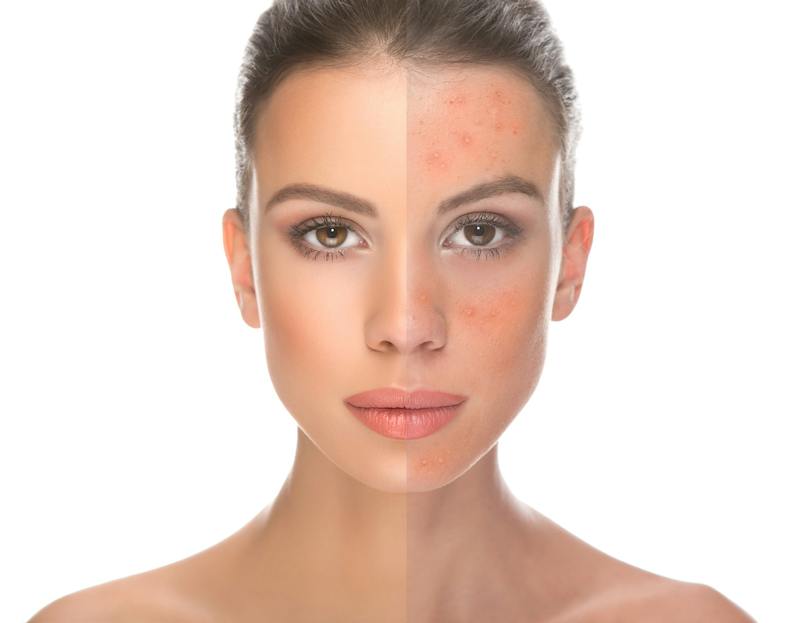
Facial redness is a common skin concern, but there is not always one obvious reason for it. Some people notice occasional flushing after exercise, while others have persistent redness across the cheeks, nose, or chin. Redness may also appear alongside visible blood vessels, irritation, sensitivity, or other changes in the skin.
Understanding what causes redness in the face is an important first step toward finding the right approach. While some redness is temporary and harmless, persistent facial redness can sometimes be associated with conditions such as rosacea, environmental exposure, or irritation from skincare products.
At Face Forward Medical Aesthetics, treatments are selected based on the patient's individual concerns and goals. Depending on the cause and appearance of facial redness, options may include light-based treatments and customized skincare.
What Causes Facial Redness?
Facial redness can happen for many different reasons. Some causes are temporary, while others can become recurring or persistent.
Heat and Temperature Changes
Hot weather, cold temperatures, and sudden changes between hot and cold environments can cause the blood vessels in the skin to dilate. This can temporarily make the face appear red or flushed.
Some people also notice redness after spending time in a hot shower, sauna, or other warm environment. Once the trigger passes, the redness may gradually decrease.
Exercise
Physical activity naturally increases blood flow throughout the body. As a result, it is normal for the face to look temporarily flushed during or after exercise. This type of redness generally fades as your body cools down.
Skincare Irritation
Some skincare products can cause irritation, particularly if they are too harsh for your skin or if several active ingredients are being used at the same time. Over-exfoliating can also disrupt the skin barrier and contribute to dryness, sensitivity, and redness.
If your face frequently feels tight, itchy, burning, or irritated after applying a product, it may be worth reviewing your skincare routine and discussing your concerns with a qualified professional.
Sun Exposure
Sun exposure can contribute to redness and other visible signs of skin damage. Repeated UV exposure can affect collagen and contribute to changes in skin texture, pigmentation, and overall appearance.
If you are also noticing brown spots, uneven pigmentation, rough texture, or fine lines, you may be dealing with more than redness alone. Face Forward offers several options for sun damage and photoaging.
Rosacea
One of the more common causes of persistent facial redness is rosacea. Rosacea can cause redness and flushing, particularly across the cheeks and central face. Some people may also develop visible blood vessels or other skin changes.
Rosacea triggers vary from person to person. Common triggers can include heat, extreme temperatures, spicy foods, hot beverages, exercise, emotional stress, and certain skincare products.
If you are experiencing recurring redness or flushing, learning more about rosacea can help you understand some of the possible causes and treatment options.
Why Does My Face Turn Red So Easily?
If your face seems to become red more easily than it used to, several factors could be involved. Your skin may have become more sensitive, you may be experiencing more frequent exposure to a trigger, or you may have developed visible blood vessels over time.
Persistent redness can also be related to changes in the skin associated with aging or environmental exposure. Because the underlying cause is different for everyone, it is important to consider the overall appearance of your skin rather than treating redness as an isolated symptom.
Can Facial Redness Be Treated?
The appropriate treatment depends on why your skin is red and what other concerns are present. A treatment designed for visible blood vessels may not be the same approach used for dry or irritated skin.
For some patients, light-based treatments can help improve the appearance of redness and visible blood vessels. Others may benefit from a combination of professional treatments and a customized skincare routine.
BBL PhotoFacial
BBL PhotoFacial uses BroadBand Light to address several visible skin concerns, including redness, pigmentation, and signs of sun damage. At Face Forward, BBL is also used for the appearance of prominent facial blood vessels associated with rosacea.
Light energy is absorbed by targeted areas beneath the skin, which can help reduce the appearance of unwanted redness and visible vessels. Treatment plans are customized according to the patient's skin and concerns.
HydraFacial
A HydraFacial may be another option when the goal is to improve overall skin health and hydration. The treatment combines cleansing, exfoliation, extraction, and hydration, making it a gentler option for patients who want to refresh the appearance of their complexion.
HydraFacial does not address every cause of facial redness, but it can be incorporated into a broader skincare approach depending on the individual's needs.
Customized Skincare
Professional treatments work best when paired with a consistent home-care routine. Depending on your skin, a provider may recommend products designed to support the skin barrier, maintain hydration, protect against UV exposure, and minimize irritation.
It is important not to assume that stronger products will automatically produce better results. If your skin is already irritated, using too many exfoliating or active products may make redness more noticeable.
How Can You Reduce Facial Redness at Home?
While the appropriate approach depends on the underlying cause, several general habits can help support healthier-looking skin.
- Use broad-spectrum sunscreen consistently.
- Avoid over-exfoliating your skin.
- Choose skincare products that are appropriate for your skin type.
- Pay attention to personal triggers that cause flushing.
- Keep your skin adequately moisturized.
- Introduce new active skincare products gradually.
If you have rosacea or another condition that causes persistent redness, identifying your personal triggers can also be useful. What causes a flare-up for one person may not have the same effect on someone else.
When Should You See a Professional About Facial Redness?
Occasional flushing is generally different from redness that is persistent, recurring, or accompanied by other changes in the skin. If you are frequently dealing with redness, visible blood vessels, burning, irritation, or unexplained changes in your complexion, a professional evaluation can help you better understand what may be contributing to the concern.
A consultation can also help determine whether your primary concern is redness itself or whether pigmentation, sun damage, texture, or another skin issue is contributing to the overall appearance.
Find the Right Approach for Your Skin
Facial redness can have many causes, from temporary flushing and environmental factors to skincare irritation and rosacea. Because there is no single treatment that works for every type of redness, understanding the underlying concern is an important part of choosing an appropriate approach.
At Face Forward Medical Aesthetics, treatments are personalized around your skin, concerns, and goals. If you would like to learn more about what may be causing your facial redness and which treatment options may be appropriate, book a consultation with Face Forward Medical Aesthetics for more information.